How uPVC Multipoint Locks Fail — and Why It Matters
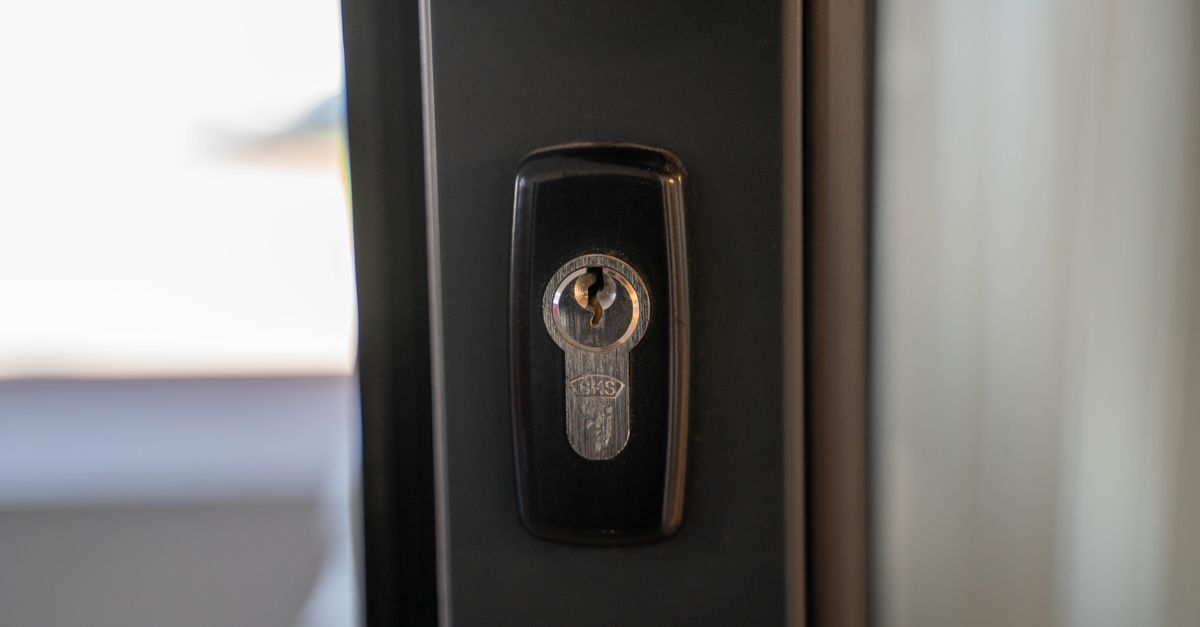
A uPVC door does not rely on a single mortice deadlock the way a traditional timber door does. Instead, it uses a multipoint locking mechanism — a long strip of steel that runs the full height of the door edge and shoots multiple locking points into the frame simultaneously when the key is turned. At the heart of this strip is a gearbox: a small, heavily used component that translates the rotation of the euro cylinder into linear movement along the mechanism. Gearboxes are rated for a finite number of cycles, and after years of daily use they wear, strip internally, or crack — often without any warning beyond a gradual stiffening of the handle. When the gearbox fails completely, the door either stays stuck in the open position or locks shut and will not release, leaving you either unsecured or locked out.
Other common failure points include worn or snapped hooks, corroded rollers, a bent or twisted keep strip on the frame, and a misaligned door that puts excessive load on the mechanism every time it is closed. Cold weather is a particular factor in Northampton winters, when thermal movement in the uPVC profile can cause a door that locks perfectly in September to bind badly by January. Identifying the actual root cause — rather than simply replacing the most obvious part — is what separates a proper repair from a temporary fix that fails again within months.