Why Internal Door Lockouts Happen — and Why They Need Careful Handling
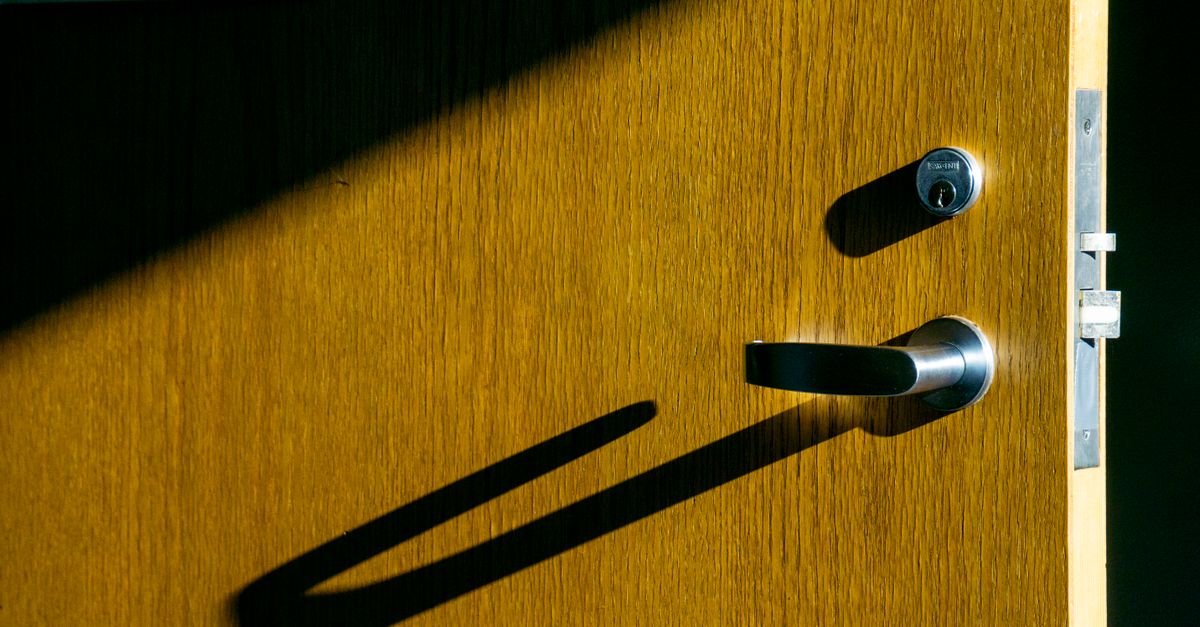
Internal doors — bedrooms, bathrooms, toilets, and sometimes home offices — are fitted with privacy locks rather than security locks. The most common type in UK homes is a small turn-button or push-button mechanism built into a standard lever handle, often without any keyhole on the outside at all. Some older properties, particularly the Victorian and Edwardian terraces you find throughout the Semilong and St James areas of Northampton, may have small mortice sashlocks or even original rim locks on internal doors. These are simpler mechanisms than a 5-lever mortice deadlock or a multipoint uPVC lock, but they still require the right approach. Forcing an internal door without understanding which type of latch or lock is fitted risks snapping the spindle, cracking the door panel, or pulling the frame away from the wall — none of which is necessary.
The golden rule before calling anyone out is to do a quick check: is there a spare key kept elsewhere in the house, or is there a neighbouring room with an interconnecting door? For bathroom and toilet doors, the button or turn-snib on the inside can sometimes be released from outside using a small flat implement inserted into the slot on the outer handle — but only if the handle has been designed with an emergency release slot, which not all do. If you are unsure, or if someone is unwell or distressed on the other side of the door, do not delay. Call us on 01604 913072 and we will send a technician straight away; we are usually with you in about 30 minutes.