Why Keys Snap — and What Happens Inside the Lock
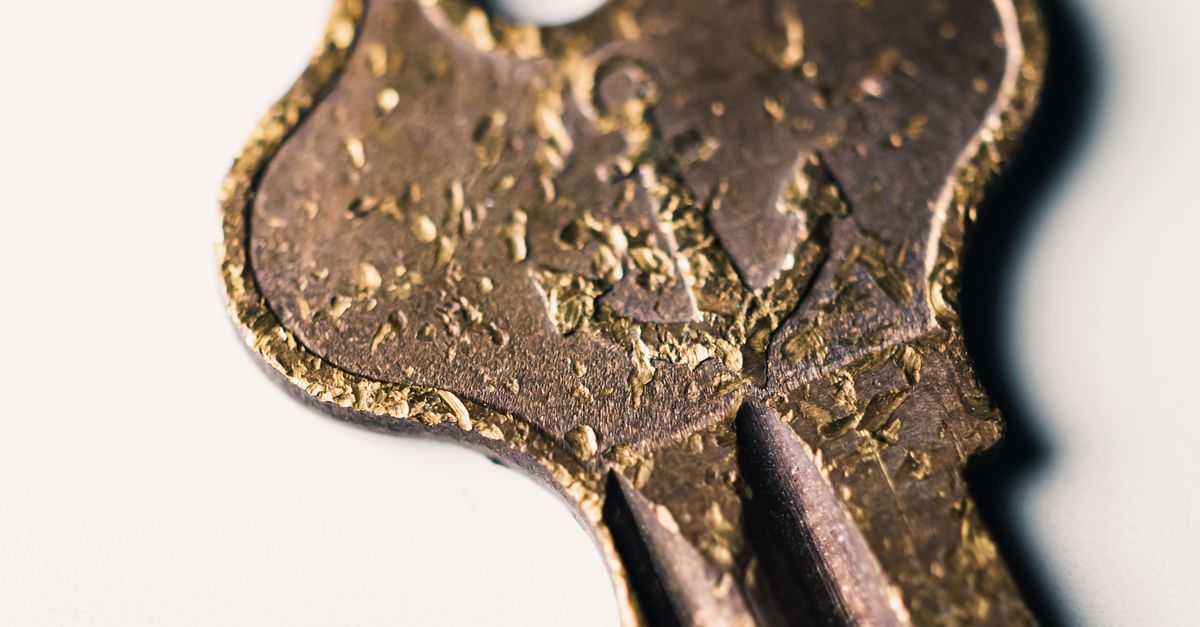
Keys fail for several reasons: metal fatigue from years of daily use, a slight bend that went unnoticed, a stiff lock that needed a little too much torque, or simply a worn-down key that had been cut one too many times from a copy of a copy. When the break happens mid-turn, one portion usually stays in the hand while the other lodges inside the plug — sometimes only a few millimetres in, sometimes buried past the first pin chamber. The position matters enormously. A fragment that sits proud of the keyway face can sometimes be gripped directly; one that has travelled inward requires extraction hooks, broken-key extractors, or a combination of techniques chosen to match the specific lock profile. On a nightlatch (the type of Yale-style latch found on most traditional Northampton terrace front doors), the keyway is relatively narrow and the fragment tends to rotate with the plug, which can either help or hinder removal. On a British Standard 5-lever mortice deadlock — which many Northampton home insurers specify as a condition of cover — the levers themselves can trap the broken piece if the key snapped mid-lift. Euro cylinders, common on uPVC and composite doors throughout the town, have a tighter keyway profile and their own set of extraction considerations. Each lock type demands a different approach, which is why the technician will always inspect the lock before selecting a tool.