Duston Locksmith Service Team
Local locksmith team
21 Oct 2026 11 min read
If you live in a property with a uPVC or composite front door — and most homes across Northampton do — there is a very good chance your door is secured by a euro cylinder lock. These are the small, barrel-shaped mechanisms that sit in the centre of your door handle plate. They are convenient, widely fitted, and, if you have an older or budget-grade cylinder installed, they carry a well-documented vulnerability that burglars across the country have learned to exploit in a matter of seconds. That vulnerability is called cylinder snapping, and understanding it is the first step to making sure your home is not an easy target.
This guide explains exactly how snapping works, what the TS007 star rating system means in practice, and how to work out whether your door needs an anti-snap upgrade. If you decide you want the work done or you have any questions, Duston Locksmith covers Northampton and the surrounding area around the clock — call 01604 913072 and we will talk you through your options before anyone travels out.
## Why Euro Cylinders Are Vulnerable to Snapping
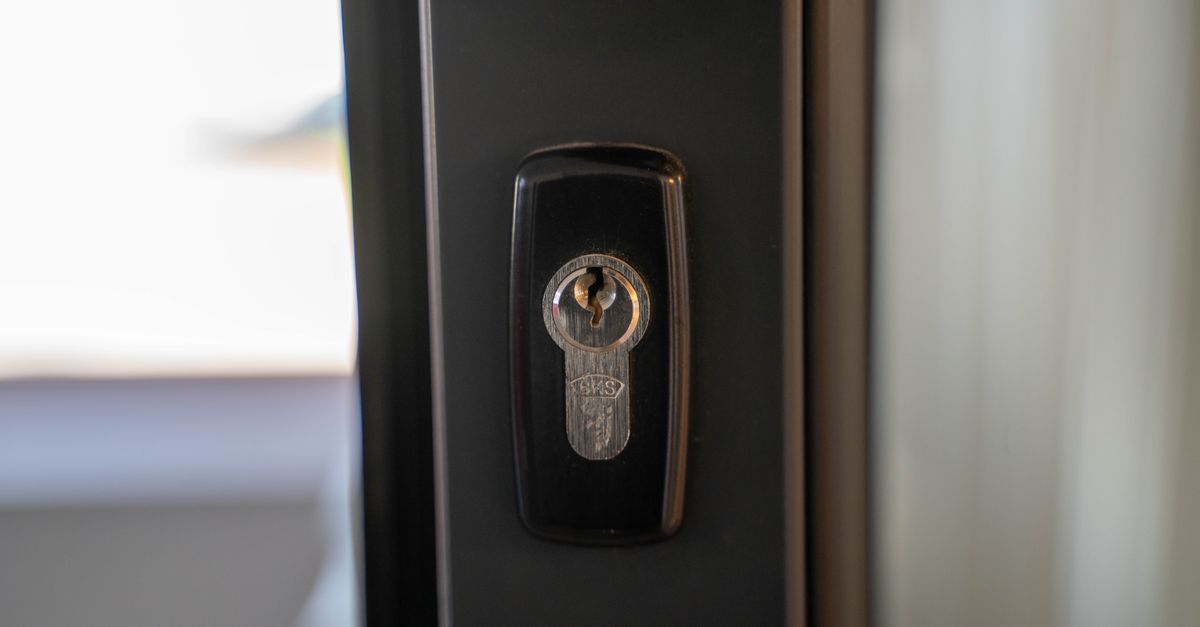
A standard euro cylinder is made up of two halves joined together: the outer section, which sits proud of the door furniture on the outside, and the inner section, which operates the lock mechanism itself. The problem lies in the fact that many cylinders — particularly those supplied as standard by uPVC door manufacturers or fitted by builders on a budget — are made from relatively soft metal alloys with no built-in weak point designed to protect the lock. A burglar using a technique known as cylinder snapping applies sudden, levered force to the exposed outer portion of the cylinder using a simple tool. The cylinder breaks cleanly at the join, the outer section is removed, and what remains inside the door can then be turned with a screwdriver in seconds. The entire process can take under a minute and leaves no noise, no broken glass, and no sign of forced entry until you get home and find the door open.
The scale of the problem prompted the British Standards Institution and the security industry to respond. The result was the TS007 standard, a testing specification that grades cylinders and door hardware according to how well they resist this and other attack methods. If your cylinder carries no TS007 rating at all — which is true of a great deal of hardware still in service across Northampton — it has not been independently tested to resist snapping, drilling, picking, or bumping.
## What TS007 Star Ratings Actually Mean
TS007 ratings run from one star to three stars, and the distinction between them matters more than many homeowners realise. A one-star cylinder has passed basic resistance tests on its own. A two-star rating can be achieved by combining a one-star cylinder with a one-star door handle or escutcheon plate, which together provide a higher level of resistance. A three-star rating — either achieved by a single cylinder alone or by an equivalent tested combination — represents the highest level of protection currently available under the standard, and it is the rating that most insurers and security professionals recommend as the target for a main entrance door.
It is worth noting that TS007 three-star cylinders are tested against snapping, picking, drilling, bumping, and extraction. The anti-snap function works because the cylinder is designed with a deliberate sacrificial break point positioned on the outer section. If a burglar applies levered force, only the small, replaceable outer portion gives way — and crucially, the inner half of the cylinder, which controls the lock, remains protected and fully functional. The lock does not open. For residents across Northampton, particularly those on busier roads or in town centre streets where opportunistic break-ins are more common, upgrading to a TS007 three-star cylinder is one of the most cost-effective single improvements you can make to your home security.
## How to Tell if Your Door Needs an Anti-Snap Lock Change Northampton Homes Should Consider
Checking whether your current cylinder is at risk is straightforward and takes about two minutes. Start by looking at the outside of your door. Find the cylinder — it sits in the centre of the handle plate and looks like a small oval or circular barrel. Measure, or simply look at, how much of it protrudes beyond the door furniture. If more than three millimetres of cylinder is exposed beyond the escutcheon plate (the metal surround), it is long enough for a burglar to get leverage on. Many doors have cylinders that protrude by ten millimetres or more, particularly if a previous owner replaced the original with an off-the-shelf cylinder that was not sized correctly for the door.
Next, turn the cylinder around and look for any markings. A TS007-rated cylinder will carry the kite mark logo and the star rating stamped or printed on its body. If you see no markings, or just a brand name and nothing else, it is almost certainly not tested to TS007. As a general rule of thumb: if your door was fitted before around 2015 and the cylinder has never been changed, it is worth having it assessed. The same applies if you have recently moved into a rented property, bought a house, or if your door was supplied as part of a new-build package. Builders rarely specify security-rated cylinders as standard unless a buyer specifically requests them. If you are unsure, our team offers door lock replacement Northampton wide — we can assess what you have and advise honestly on whether a change is needed.
## Anti-Snap Cylinders, Door Furniture, and the Full Picture for uPVC Door Lock Repair Northampton
Upgrading to an anti-snap cylinder is not simply a case of buying any cylinder labelled anti-snap on a shelf. The cylinder must be correctly sized for your door — too long and the protruding section reintroduces the snapping risk; too short and the cam at the back of the cylinder will not operate the lock mechanism properly. The cylinder must also be compatible with your multipoint lock and your existing door furniture. On uPVC and composite doors this matters particularly because the gearbox inside the door, the handles, and the cylinder all work together as a system. Fitting a cylinder that is marginally misaligned or the wrong length can result in a door that feels stiff, fails to lock properly at certain points, or in some cases will not dead-lock at all.
Beyond the cylinder itself, the escutcheon plate deserves attention. Anti-snap cylinders work best when paired with a matching anti-snap, anti-pick escutcheon that covers the cylinder and limits the amount of exposed metal a burglar can grip. Reputable hardware manufacturers produce these as paired units, and when fitted together they can achieve or contribute towards the TS007 three-star rating. If your door handles are old, loose, or visibly worn, that is also worth addressing at the same time — a secure cylinder behind a loose handle is a weaker combination than a matched, properly fitted set. For uPVC door lock repair Northampton homeowners can call 01604 913072 and we will assess the whole door, not just the cylinder, before recommending a course of action.
## What to Do if You Are Already Locked Out — and Why Prevention Is Better
If you have come home to find your cylinder has already been snapped, or if you are locked out for any reason, the first sensible step is to check whether there is another way in that you have legitimate access to — a back door, a window you left on the latch, or a spare key with a trusted neighbour or family member. Do not attempt to interfere with the damaged cylinder yourself or try to operate the lock mechanism with improvised tools; on a multipoint uPVC door this can cause additional damage to the gearbox, making the eventual repair more involved and costly.
If there is no other way in and you need help, call 01604 913072. As a 24 hour locksmith Northampton residents can rely on, we send a locksmith straight away and are usually with you in around 30 minutes. We will confirm an exact up-front price before any work begins — the final quote depends on factors such as the type of door and lock, the time of day you call, travel distance, and what parts are needed — so there are no surprises on the invoice. Where possible we aim to gain entry in a way that preserves the door and hardware, then assess what is needed to secure the property properly before we leave. Prevention, of course, is significantly less disruptive than an emergency call-out: a planned lock change Northampton homeowners book in advance costs less in inconvenience and usually less in time than an urgent out-of-hours visit.
## Choosing the Right Help: What to Look for in a Locksmith Northampton
The locksmith trade in the United Kingdom is currently unregulated, which means anyone can set up and offer lock work without formal oversight. That makes it important to know what to look for when choosing who works on your home. Seek out a locksmith who is fully insured, transparent about pricing before they start, and willing to show identification on arrival. A trained, experienced locksmith will also take time to explain what they are doing and why — they will not simply fit whatever cylinder is in the back of the van, but will make sure the size and rating are correct for your specific door and frame.
Duston Locksmith is a local, mobile service covering Northampton and the nearby area, including familiar streets around Duston village, the Billing Road corridor, Abington, Kingsthorpe, and beyond. We are fully insured and our team is skilled in all aspects of residential lock work on uPVC, composite, and timber doors. Whether you need a planned anti-snap upgrade, an emergency locksmith Northampton call-out, or simply some honest advice about whether your current cylinder is adequate, we are available every day of the year — including evenings, weekends, and bank holidays. Call 01604 913072 and we will help you work out exactly what your door needs.
Frequently asked questions
How do I know if my cylinder is long enough to be snapped?+
Stand outside your front door and look at the cylinder where it passes through the escutcheon plate. If more than approximately three millimetres of cylinder protrudes beyond the outer face of the door furniture, it is potentially vulnerable to a levered snap attack. Many householders in Northampton find their cylinder extends well beyond this, particularly if the door has been rehung, the hardware replaced at some point, or the original installer used a generic-length cylinder without measuring precisely. If in doubt, call 01604 913072 and we can assess it for you.
Does my home insurance require an anti-snap cylinder?+
Insurers vary in their requirements, but many standard home contents and buildings policies require that your front door meets a minimum security specification — commonly BS3621 for mortice deadlocks, or a TS007-rated cylinder and furniture combination for multipoint locks. If your door does not meet the specified standard and you suffer a break-in, your insurer could reduce or refuse your claim on the grounds of inadequate security. It is worth checking your policy documents or speaking to your insurer directly. When you call us, we can confirm whether the upgrade we fit meets the standard your policy requires.
Can I just buy an anti-snap cylinder from a DIY shop and fit it myself?+
Cylinders are available to buy without professional help, but correct sizing is critical and easy to get wrong. If the cylinder is even a few millimetres too long on the outside, the snapping vulnerability is reintroduced. Too short and the internal cam will not operate the lock gearbox fully, leaving the door insecure in a different way. On a uPVC or composite multipoint door the cylinder must also be compatible with the lock mechanism. A trained locksmith will measure the door, select the right cylinder, and fit it so that it operates correctly and achieves the security rating intended. The cost of a professional fitting is modest compared to the cost of a poorly fitted cylinder that compromises your security.
What is the difference between anti-snap and anti-pick, and do I need both?+
Anti-snap refers specifically to resistance against the cylinder-snapping technique — levered physical force applied to the outer portion of the cylinder. Anti-pick refers to resistance against manipulation of the internal pin stacks using fine tools to align them without a key. A TS007 three-star cylinder is tested against both, as well as drilling, bumping, and extraction. When we recommend a cylinder upgrade, we look at the full threat picture rather than a single vulnerability. For most homes in Northampton a three-star rated cylinder and matching door furniture covers all the realistic attack methods a burglar is likely to attempt on a residential door.